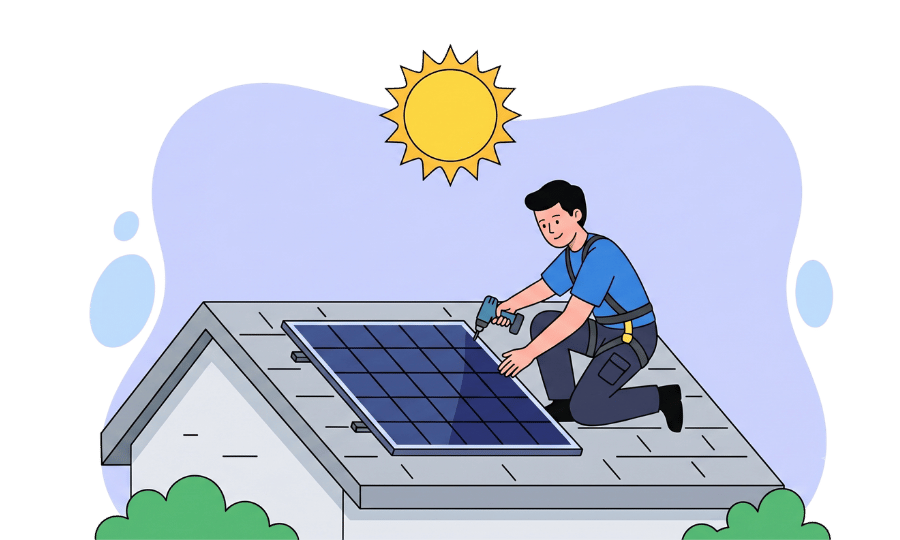
Solar Panels
Solar panels are devices that convert sunlight into electricity using a process called the photovoltaic effect. They are made up of photovoltaic cells, which are essentially semiconductors that absorb sunlight.
Solar panels are a key component of solar power systems alongside inverters and batteries, which are used to generate electricity for homes and businesses.
Know your options
The two main panel types explained
Nearly all residential solar panels installed in Australia today are monocrystalline. Here’s how the two main types compare and why it matters for your roof.
Monocrystalline
Made from a single continuous silicon crystal, grown in one large ingot and sliced into wafers. The uniform crystal structure allows electrons to move freely, giving monocrystalline panels the highest efficiency ratings available — typically 21–24%. They have a distinctive uniform black or dark blue appearance and slightly rounded corners where the crystal was cut. This is the dominant type in Australian residential installs in 2026.
Polycrystalline
Made from multiple silicon crystal fragments melted together and cast into a block. The random crystal boundaries interrupt electron flow, making them slightly less efficient — typically 15–18%. They have a distinctive speckled blue appearance due to light reflecting off the multiple crystal faces. Polycrystalline panels are less common in new Australian installs as monocrystalline prices have dropped significantly, but they remain a viable lower-cost option.
The diagrams below show how the silicon crystal structure differs between the two types and why it affects performance.
Trusted Panel Brands
EGing Solar

Risen Energy

Suntech

Canadian Solar

Trina Solar
Jinko Solar
Qcells

SunPower Maxeon

Understanding key panel features
How cheap is too cheap
Understanding what's too cheap is crucial in ensuring you pick the right system, sometimes when it sounds too good to be true then often it is.
PV Degradation
PV Degradation is really important as it will effect your overall production of your panels, you typically want it between 0.4%-0.55% per year.
Efficiency
Standard panel efficiency is usually between 21-24%, we always recommend future proofing your panels by ensuring you puchase high-efficiency panels today so in the long-term you won't have to swap them out, saving you a boat load of money.
Warranty
Making sure you have a good warranty is vital for safeguarding yourself long-term, always make sure you have 25 years product at a bare minimum.
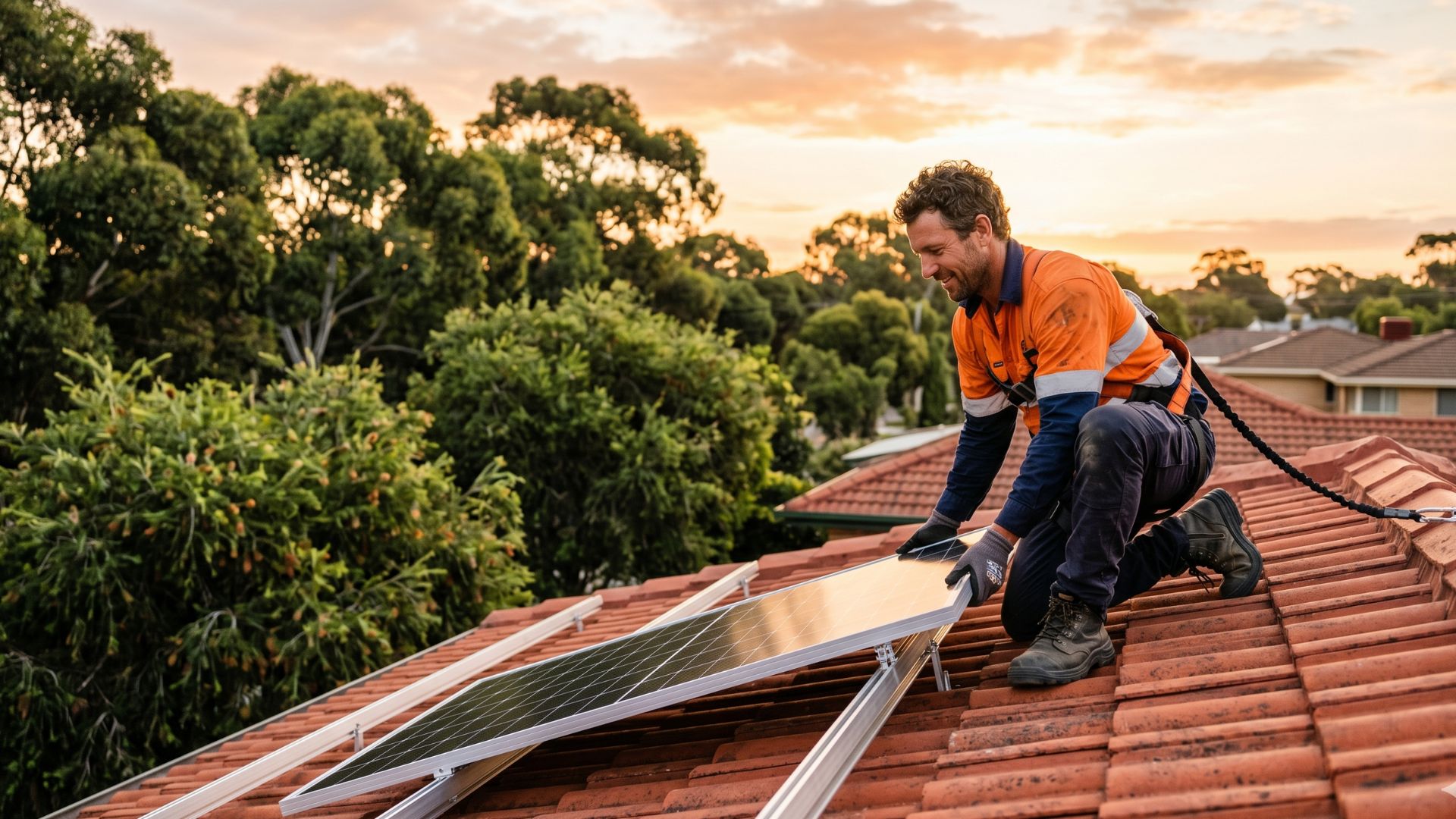
Installation Timeline
A project timeline is a visual representation of the project's schedule, showing the start and end dates of each task or activity.
- Click get a quote
- Speak to the solar experts
- Choose your solar company
- Get installed and enjoy your savings

Customer Reviews

Bryan Knight

I wasn't sure what panel brand to choose as i have really bad shading, but First Step Solar sent me to companies that had the right technology to help with my situation
Could not be anymore happier
Carolyn Ortiz

As a singe mum i was worried i wouldn't be able to find a company that could meet my budget needs, however First Step Solar put me onto a solar company that offered a great money for value system, never looked back after getting my quotes
Amanda Reed

I am extremely impressed with the results we achieved through their digital marketing services.
Carolyn Ortiz
Their ability to capture our brand essence and create visually stunning designs truly.
Lori Stevens

I couldn't be happier with the solution. It has exceeded my expectations and made my life so much easier.
Joan Wallace
The analytics and reporting capabilities of our software have transformed our decision-making.

Price vs quality — where each brand sits
Frequently asked questions
What warranties do panels usually have?

It can vary slightly, however the majority of panels will typically have a full 25 year product and a 25 year performance warranty.
I have shading, are my panels going to work?
Shading can have an impact on overall solar system production, however there are ways of getting around this, you can look towards optimised and micro inverter systems.
Are there any good panels that won't break the bank?
Good news, there are many panel brands that don't have to break the bank but still perform well, have great warranties and low PV degradation.
What should I look for when researching a panel brand?
There are 4 main things you should look for when researching a particular panel:
. Warranty
. Efficiency
. PV degradation
. Price
Panel Cleaning
Solar panels can benefit from cleaning, but it's not always essential
Dirt, dust, debris, and bird droppings can block sunlight, reducing the panel's ability to convert sunlight into electricity. Studies show dirty panels can lose 5-35% efficiency,
Factors like dust storms, heavy rain, and nearby trees can impact cleaning frequency.