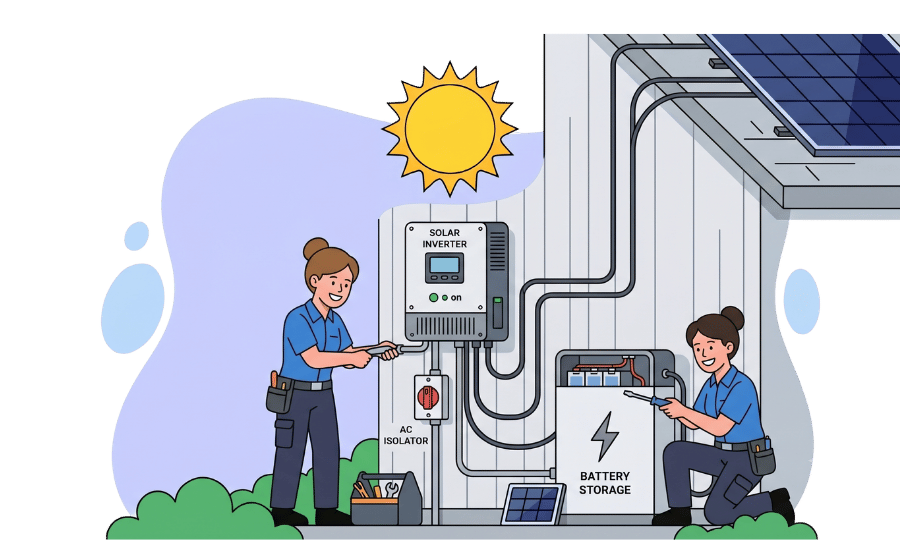
Solar batteries store the energy your panels generate during the day so you can use it at night — and some even during a blackout. With SA feed-in tariffs now at historic lows, keeping more energy in your home battery makes more financial sense than ever.
Know your chemistry
Nearly every residential solar battery sold in Australia today uses one of two lithium cell chemistries. Understanding the difference helps you choose the right battery for your home.
LFP is the dominant chemistry in Australian residential solar batteries — and for good reason. The iron phosphate cathode structure is inherently thermally stable, meaning LFP cells do not enter thermal runaway (the chain reaction that causes lithium battery fires) under normal operating conditions. This makes LFP the recommended chemistry for home installation in garages, under staircases, or in enclosed spaces.
LFP batteries also deliver excellent cycle life — typically 3,000 to 10,000 full cycles depending on the brand — and maintain capacity well across their lifespan. The trade-off is slightly lower energy density compared to NMC, meaning LFP batteries are physically larger for the same usable kWh. For most Australian homes with adequate wall or floor space, this is not a practical concern.
Brands using LFP: Sonnen, BYD, Sungrow SBR, Alpha ESS, Redback Technologies, Fox ESS, VoltX Energy, Tesla Powerwall 3.
NMC offers higher energy density than LFP — meaning more usable kWh in a smaller, lighter package. This has made NMC popular in applications where space and weight are premium concerns, such as electric vehicles and wall-mounted home batteries with limited footprint.
The limitation is thermal stability. NMC cells are more susceptible to thermal runaway under extreme conditions — overcharging, physical damage or extreme heat. This doesn’t make NMC inherently unsafe — modern battery management systems are designed to prevent these conditions — but it is a meaningful distinction when choosing where to install a battery in a hot SA climate.
Brands using NMC: Tesla Powerwall 2 (legacy). The trend in the Australian market is a clear shift toward LFP across all major brands.
First Step Solar recommendation
For the vast majority of South Australian homes, LFP is the preferred chemistry — safer in hot garages, longer cycle life, and increasingly available at highly competitive prices. The industry has largely moved to LFP for residential applications.
Independently reviewed. Click any brand to read the full review and specs.








Saving money is all well and good, however cheap inverters might not have the proper safety features to protect your system from surges or malfunctions
Most inverters will have some form of monitoring via app providing data on performance, energy production, and consumption.
Peak efficiency rating is normally between 94% and 98%
Warranties typically range from 3 to 10 years, with a standard warranty period being 5 years. Some manufacturers offer extended warranties for an additional cost
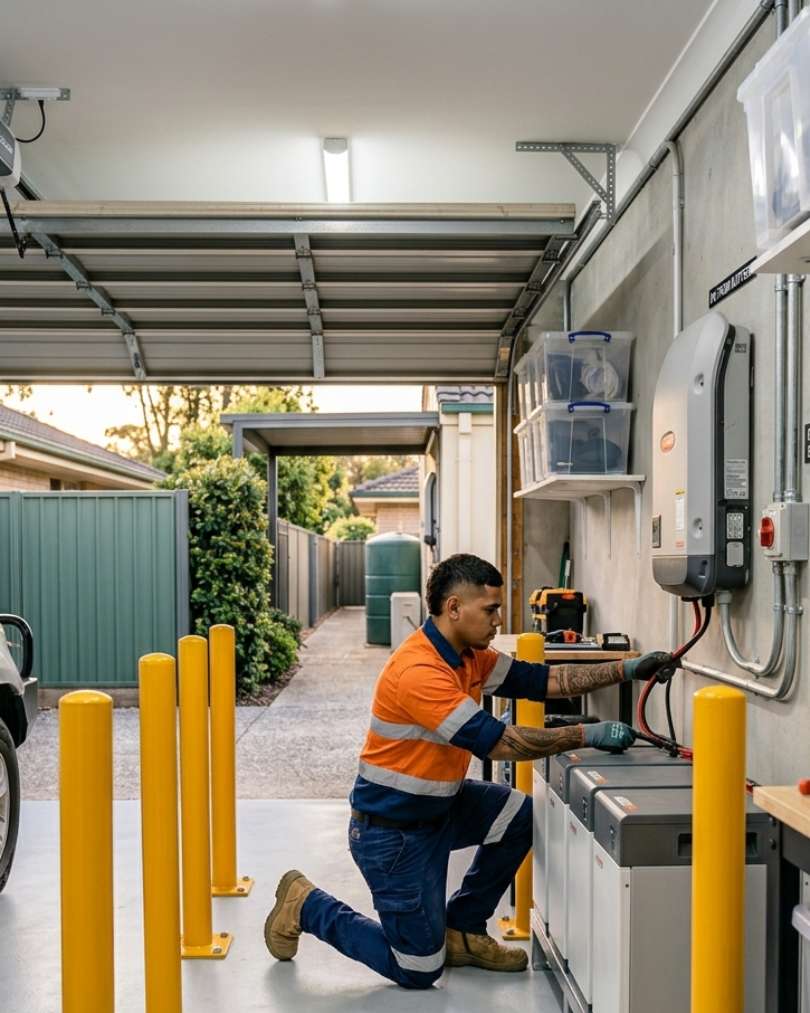
Battery installation can be pretty quick once you have the right product and find the installer for you.



I wasn't sure what panel brand to choose as i have really bad shading, but First Step Solar sent me to companies that had the right technology to help with my situation
Could not be anymore happier

As a singe mum i was worried i wouldn't be able to find a company that could meet my budget needs, however First Step Solar put me onto a solar company that offered a great money for value system, never looked back after getting my quotes

I am extremely impressed with the results we achieved through their digital marketing services.
Their ability to capture our brand essence and create visually stunning designs truly.

I couldn't be happier with the solution. It has exceeded my expectations and made my life so much easier.
The analytics and reporting capabilities of our software have transformed our decision-making.

Prices shown are for fully installed battery storage systems in South Australia. Your final price will vary based on:

It can vary slightly, however the majority of batteries have on average a 10 year product warranty and other warrranties specific to the performance of your battery.
Where your battery is installed can have an affect on the product, most a generally safe to install on the exterior of your house but it is always worth consultintg your installer for the safest area that works for you and the installer.
Good news, the battery market is becoming more competitive and with the addition of battery rebates you do have plenty of options.
There are 4 main things you should look for when researching a particular battery:
- Warranty
- Efficiency
- Local support offices
- Price