

It covers fundamental aspects such as what SaaS is, how it differs from traditional software, the advantages it offers to businesses, and key considerations for choosing and implementing SaaS solutions.
Sunshine – it's what we love about Australia, but it can also be a powerful source of clean energy for our homes. If you're thinking about making the switch to solar, you're not alone! Solar power is becoming increasingly popular, and for good reason. It's good for the environment, it can save you money on your electricity bills, and it can even make your home more valuable.
But what about batteries? Are they necessary for a solar energy system? In this beginner's guide, we'll break down the basics of solar and batteries, so you can decide if they're right for you.
Let's start with the basics:
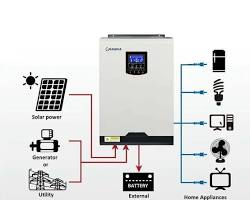
Now, how do batteries fit into the picture?
Solar batteries store excess electricity that your system generates during the day. This means you can use that stored energy at night or during times when the sun isn't shining. Here are some of the benefits of adding batteries to your solar system:
But there are also some things to consider before you add batteries:
So, are batteries right for you?
It depends on your individual needs and goals. If you're looking for the most affordable option, then a solar system without batteries may be the best choice. But if you value energy independence and want to be prepared for power outages, then batteries may be a good investment.
Ultimately, the decision is up to you. But by understanding the basics of solar and batteries, you can make an informed decision that's right for your home and your wallet.